
Work Alone Smart Monitor
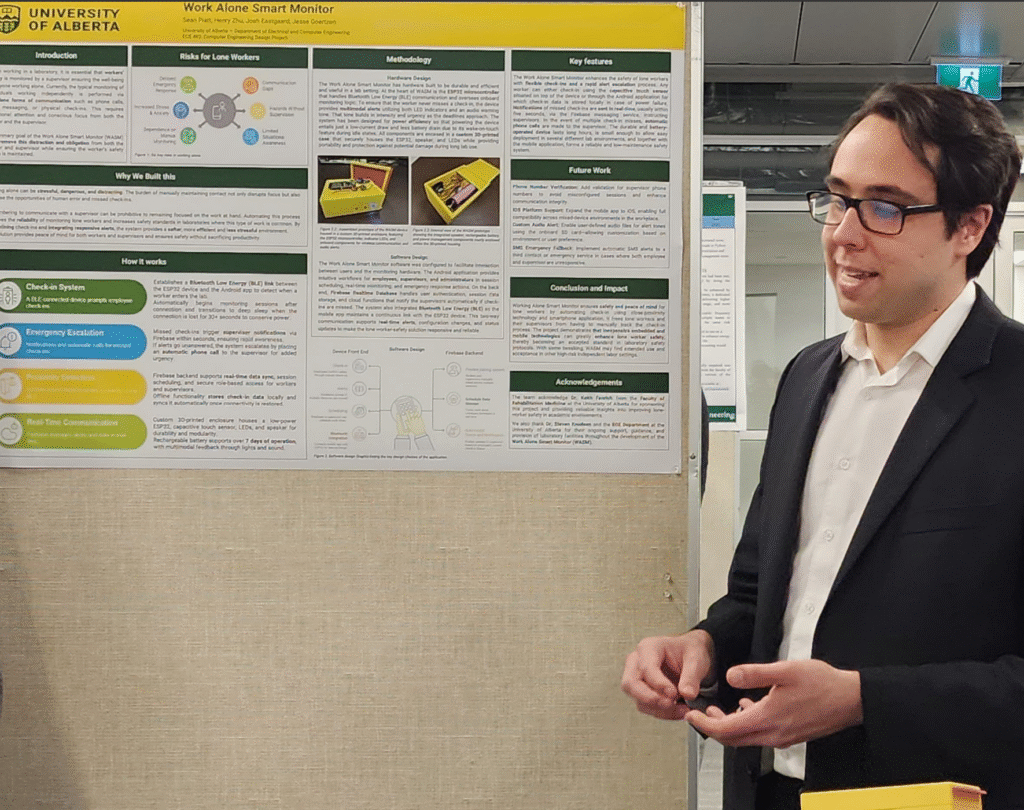
Story of WASM
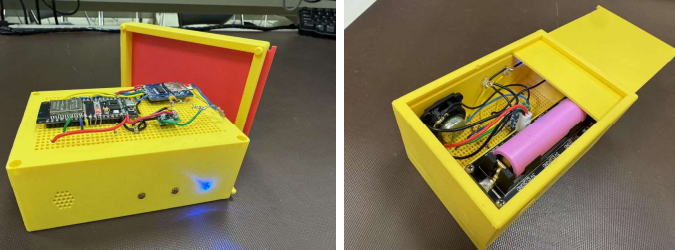
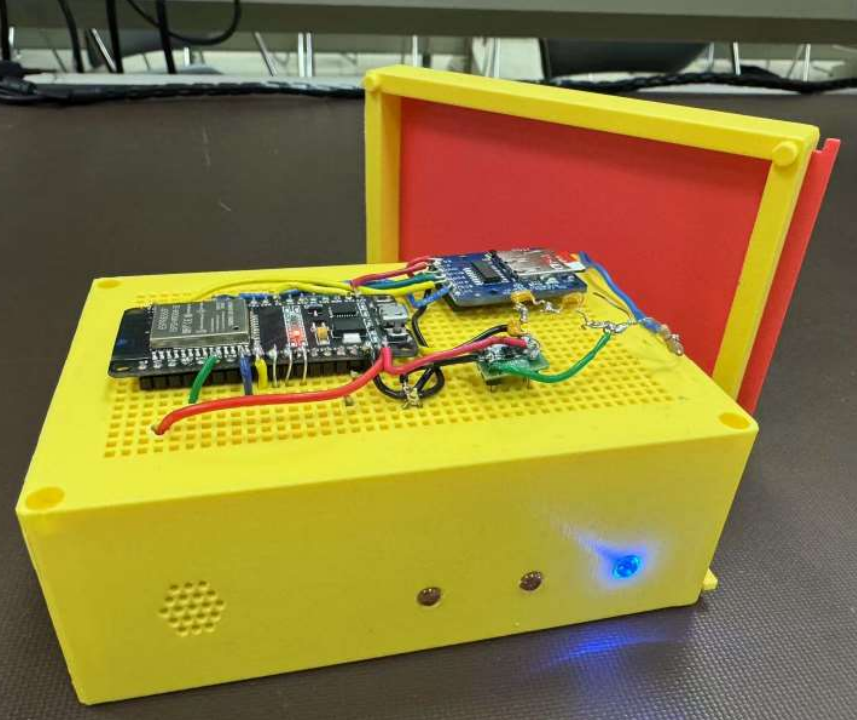
One of the most exciting projects I’ve had the chance to work on was the Work Alone Smart Monitor (WASM)—a system designed to make working alone in labs safer, smarter, and stress-free. Our team developed a complete solution that combined a custom-built BLE-connected hardware device with an Android app I helped lead the development of. My focus was on the application side—bringing the system to life with real-time check-in scheduling, user role management, and automatic escalation features, all backed by Firebase.
From integrating BLE for proximity-based monitoring to building role-specific interfaces (Employee, Supervisor, Admin), I was responsible for ensuring the app functioned smoothly, reliably, and securely. Designing real-time alerts for missed check-ins and auto-calling supervisors wasn’t always straightforward—especially with flaky BLE connections and asynchronous Firebase triggers. Where issues couldn’t be fully resolved in the prototype, we documented them as future improvements.
One thing I’m especially proud of is how much we achieved in such a short time. In just 7 weeks, we implemented core features like scheduling, touch-based check-ins, proximity detection, and multi-role account handling. I also led much of the documentation and communication, which helped our team earn the Bruce A. McGregor Award for Engineering Communication—a moment that meant a lot to me.
At the end of the day, I loved working on this project. The Work Alone Smart Monitor wasn’t just an assignment—it was a chance to build something that genuinely improves lab safety and solves a real-world problem. From syncing BLE connections to designing escalation logic that kicks in when someone misses a check-in, every feature we added felt purposeful. It was challenging, yes—but exactly the kind of challenge I enjoy: technically complex, time-sensitive, and meaningful. Being part of a project that combined thoughtful application design with real-time responsiveness reminded me why I’m passionate about engineering in the first place.
Check out the project at Github

Key Features
Automated Safety Monitoring: Regular check-ins through an Android app or touch sensor ensure lone workers are safe and responsive.
Real-Time Escalation System: Missed check-ins trigger instant push notifications and escalate to automated supervisor phone calls.
BLE Proximity Detection: Bluetooth Low Energy (BLE) detects when a worker enters or leaves the lab, triggering the monitoring system automatically.
What I took Away
Reliable Systems Need Redundancy: We discovered how important it is to plan for connection failures and ensure fallback systems are in place.
Clear Communication Drives Great Engineering: Translating technical work into understandable documentation helped us win the Bruce A. McGregor Award—and made collaboration smoother.
Hardware-Software Integration is Tricky but Rewarding: Syncing BLE behavior, Android timing, and physical device feedback pushed my problem-solving and taught me how to bridge embedded and mobile development effectively.